by Tom Stilp JD, MBA/MM, LLM, MSC, DBA, February 26th, 2026
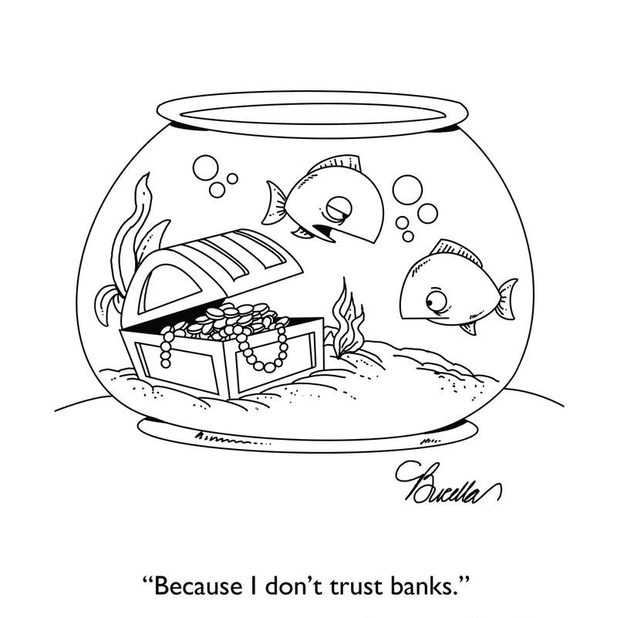
It has never been easier to steal from a bank customer because, surprisingly, the bank helps the thief.
The law of negotiable instruments (one form of which are commonly known as “checks”) requires that only a lawful direction to pay be honored by the bank. 810 ILCS 5/3-403. A check is an “order” to the bank (which is why checks always state: “Pay to the Order of . . . . “) A bank may only pay after it has received a lawful order from a customer to pay.
But that has been turned around. Several large banks (i.e., Chase) pay the check first, taking funds from the customer’s account, then leave it up to the customer to find out if the check was fraudulent, usually after it is too late.
In this case, the dollar amount of the checks were tell-tale, being much larger amounts than checks historically written on the account over many years (e.g., fraudulent check $10,500 vs. real check $500). Here are some of the other indicia of fraud the bank ignored:
- Check numbers are way out of sequence: Last legit check was #1540. The bank approved fraudulent check #266457.
- The name signed was not name on account. The signature was not a forgery because it was not in the same name of the account holder but, instead, a fictitious, made-up name like “Donald Duck.”
- Out of state: The check was for someone in California.
- Undated: The fraudulent check did not even have any date.
But it got worse – after the client took steps to protect the account, such as having automatic rejection of checks under the bank’s system if checks were not approved by the customer within 24 hours, the bank nonetheless accepted checks that were already rejected by the account holder as fraudulent.
With our help, the client got all their money back. But not without the threat of litigation.
Attorneys rightfully get made fun of for filing inane and silly lawsuits over things such as whether a “foot-long sandwich” is really a foot-long, or whether “buffalo wings” are, in fact, wings (as everyone knows, the name refers to the sauce, not the meat, which is not buffalo, but chicken). However stupid these cases, a bank’s failure to safeguard its customer’s money by actively removing funds without lawful direction and based on fraudulent checks is a growing danger that, unlike a sandwich or chicken appetizer, has real economic consequences.
A Class Action is needed to change the direction of things that are coming.